Keita Miyazaki – From Water to Form – MAO Ca’ Pesaro, Venice, Italy
Keita Miyazaki in Venice: Japanese Contemporary Art Meets the Treasures of the Ancient East
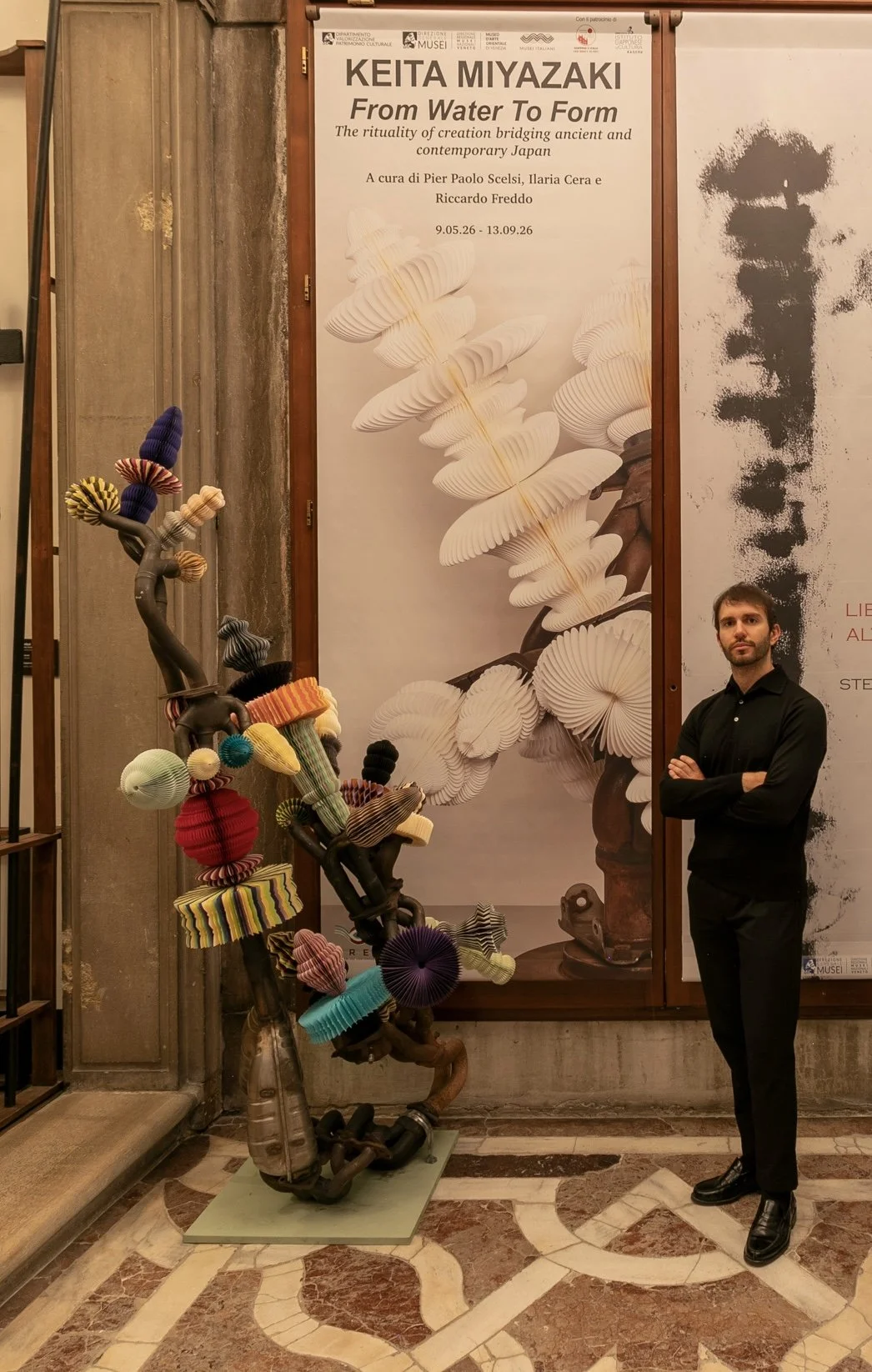
Keita Miyazaki – From Water to Form
The Rituality of Creation Bridging Ancient and Contemporary Japan
A journey between water and matter, between dissolution and form: in Venice, Keita Miyazaki activates a delicate and ancestral dialogue between memory, ritual, and contemporaneity.
May 9 – September 13, 2026
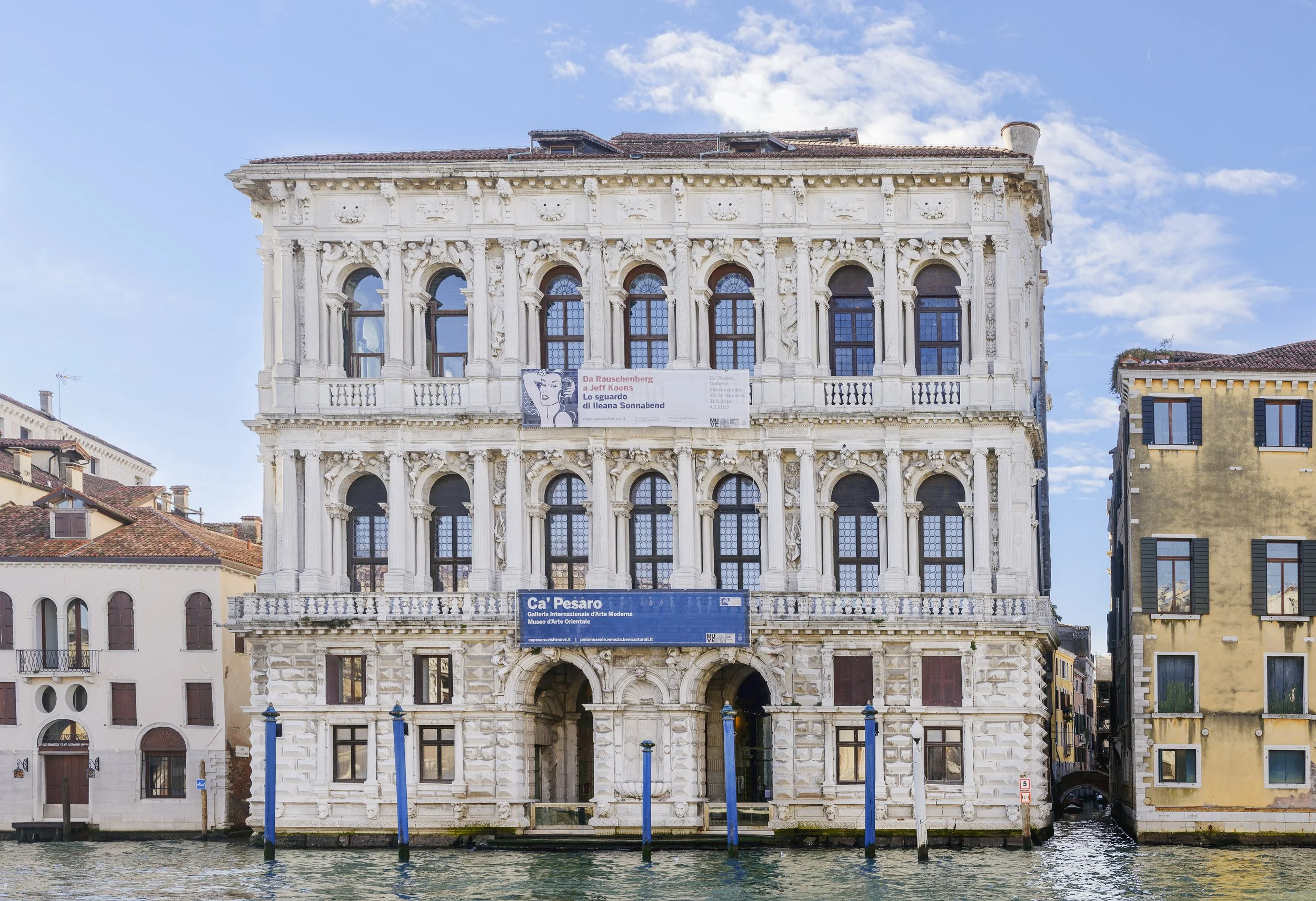
Museum of Oriental Art, Venice – Ca’ Pesaro, Santa Croce 2076, Venice
Coinciding with the 61st Venice Biennale, from May 9 to September 13, 2026, the Museum of Oriental Art in Venice presents Keita Miyazaki – From Water to Form, a solo exhibition by the Japanese artist, curated by Pier Paolo Scelsi, Ilaria Cera, and Riccardo Freddo, with scientific direction by Elisabetta Barisoni, Marta Boscolo Marchi, Daniele Ferrara, and Stefania Portinari. The exhibition is promoted by the Regional Directorate of National Museums of Veneto – Museum of Oriental Art, Galleria Rosenfeld, and CREA Cantieri del Contemporaneo, with the patronage of the Consulate General of Japan in Milan and the Japan Foundation.
Following his exhibition in Rome at the National Etruscan Museum of Villa Giulia, Miyazaki’s research arrives in Venice as the natural evolution of an investigation centered on water. Suspended between matter and transformation, between the liquid element and architecture, the city becomes the ground for an exhibition project that weaves together temporalities, geographies, and sensibilities. In From Water to Form, water — an original presence, generative principle, and transformative force — becomes both interpretive key and symbolic material: capable of destruction and regeneration, of erosion and fertility, inscribing within matter and collective memory a continuous cycle of dissolution and rebirth. It is an element that runs through both Japanese culture and the very identity of Venice, a city built upon a fragile balance between nature and human intervention.
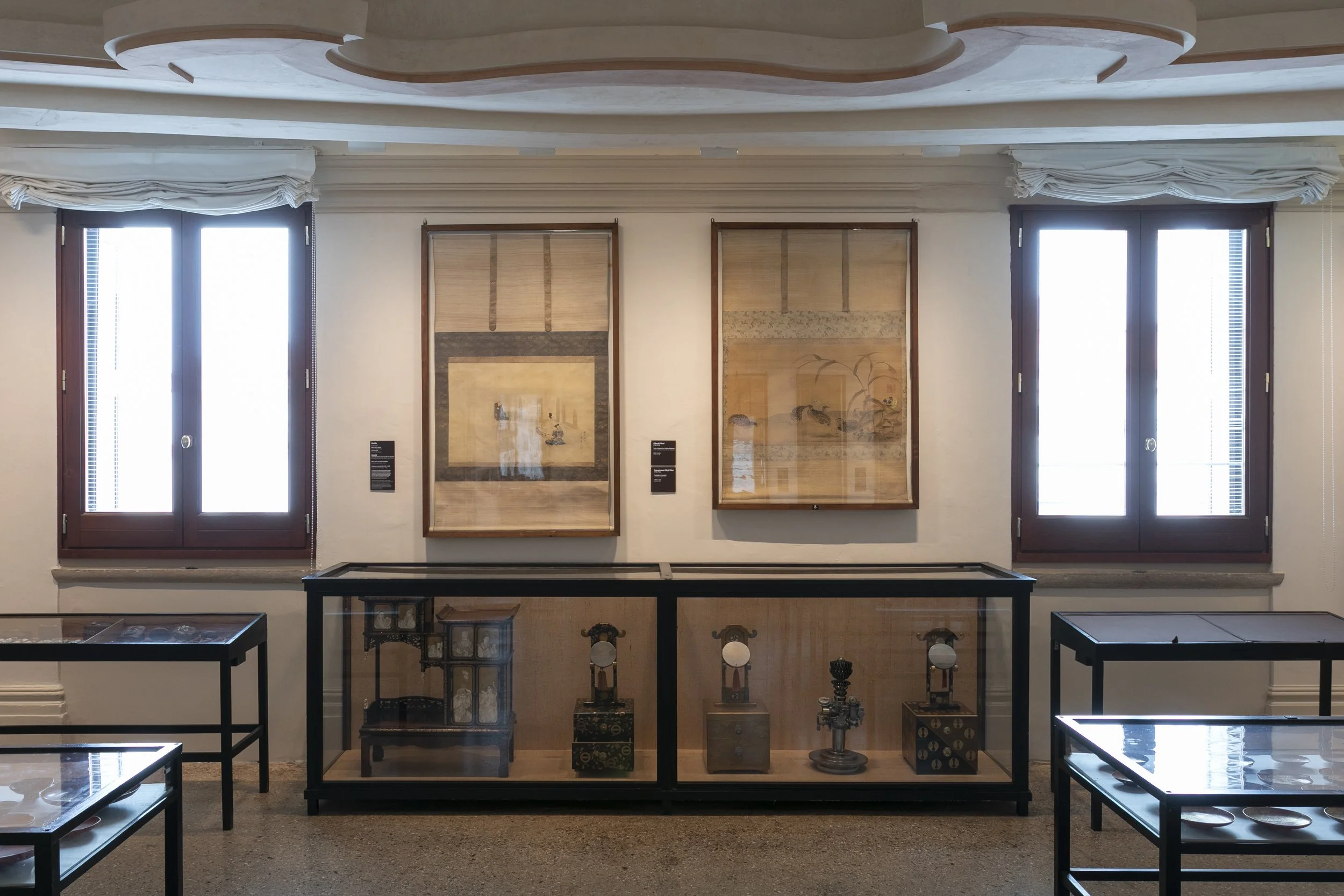
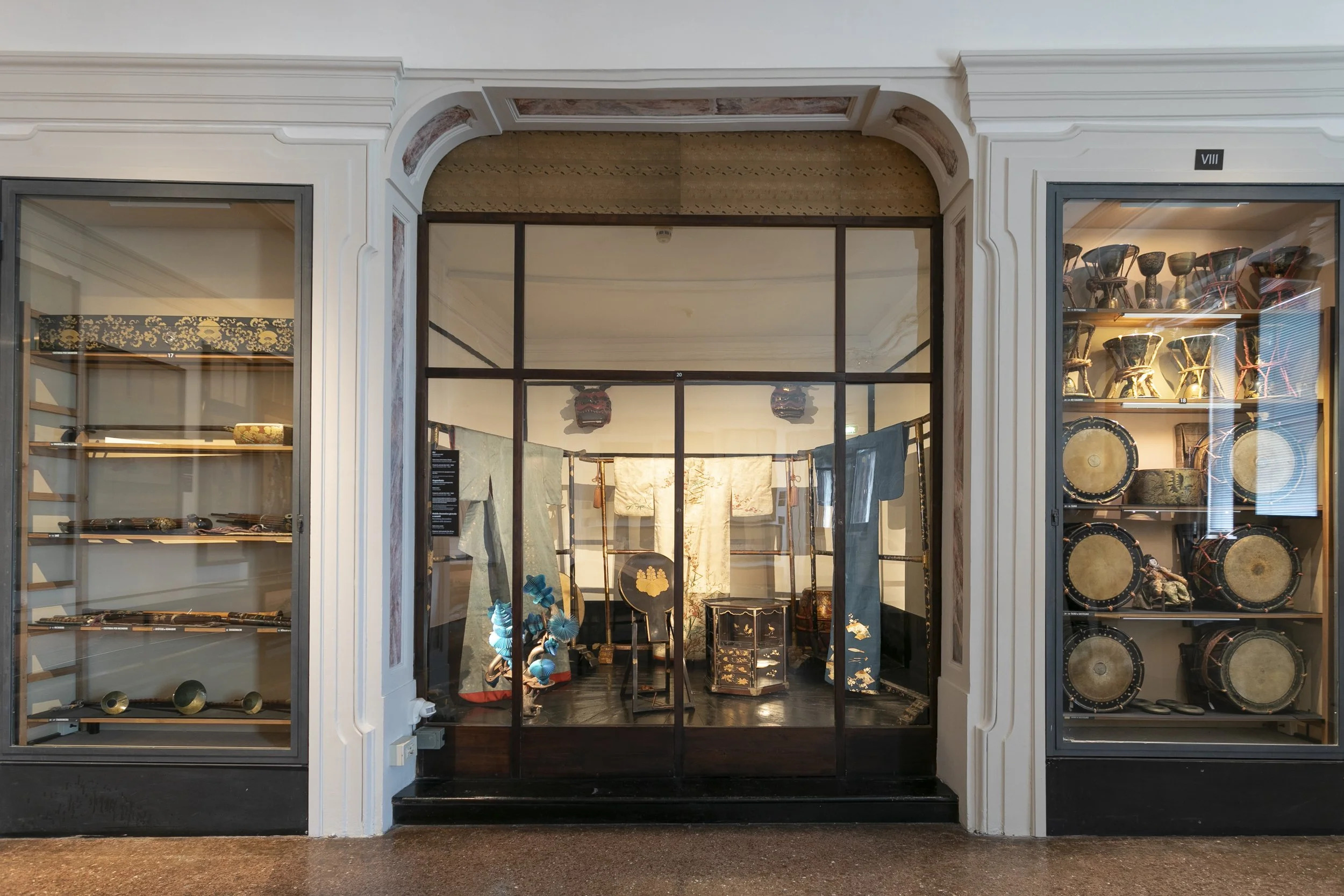
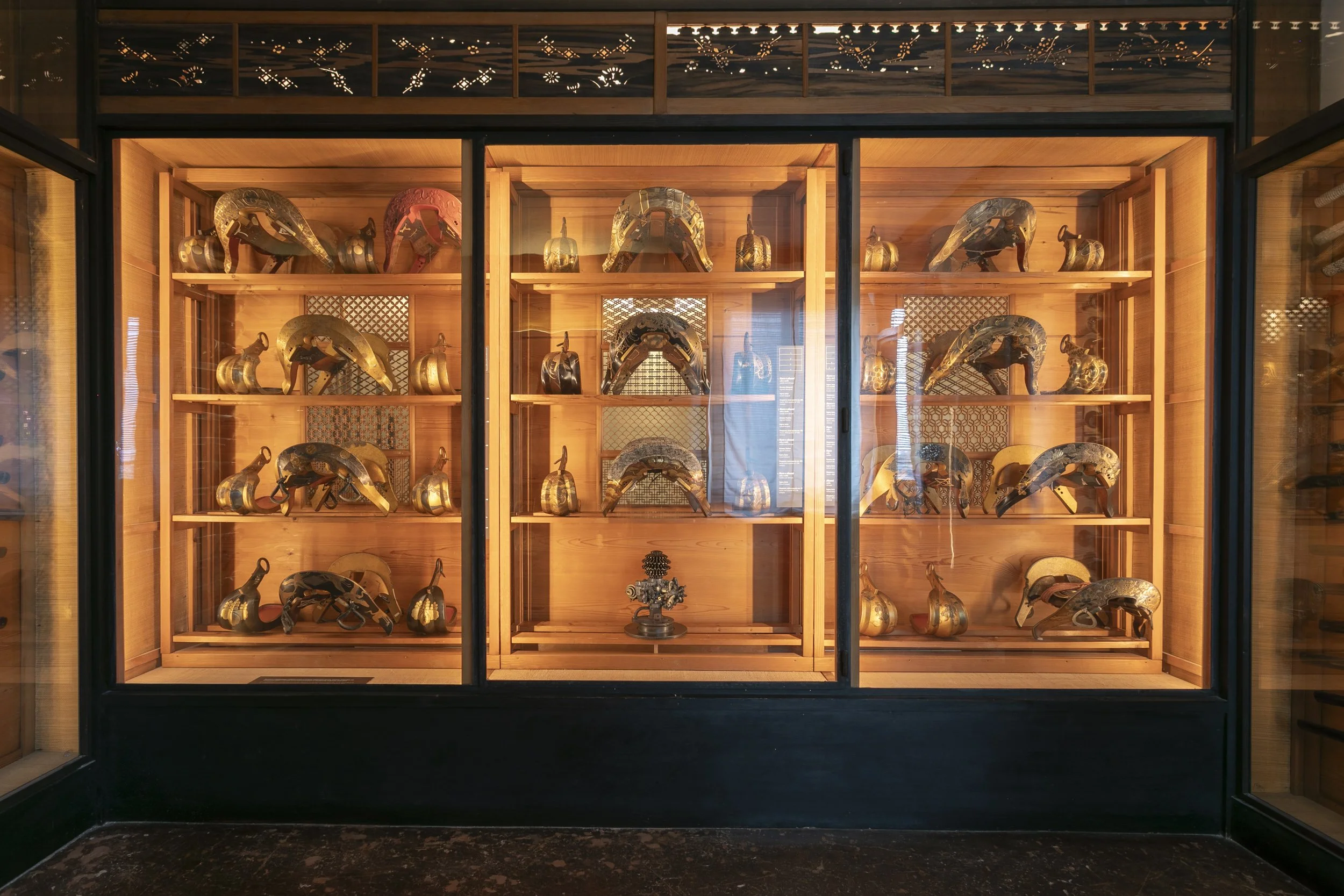
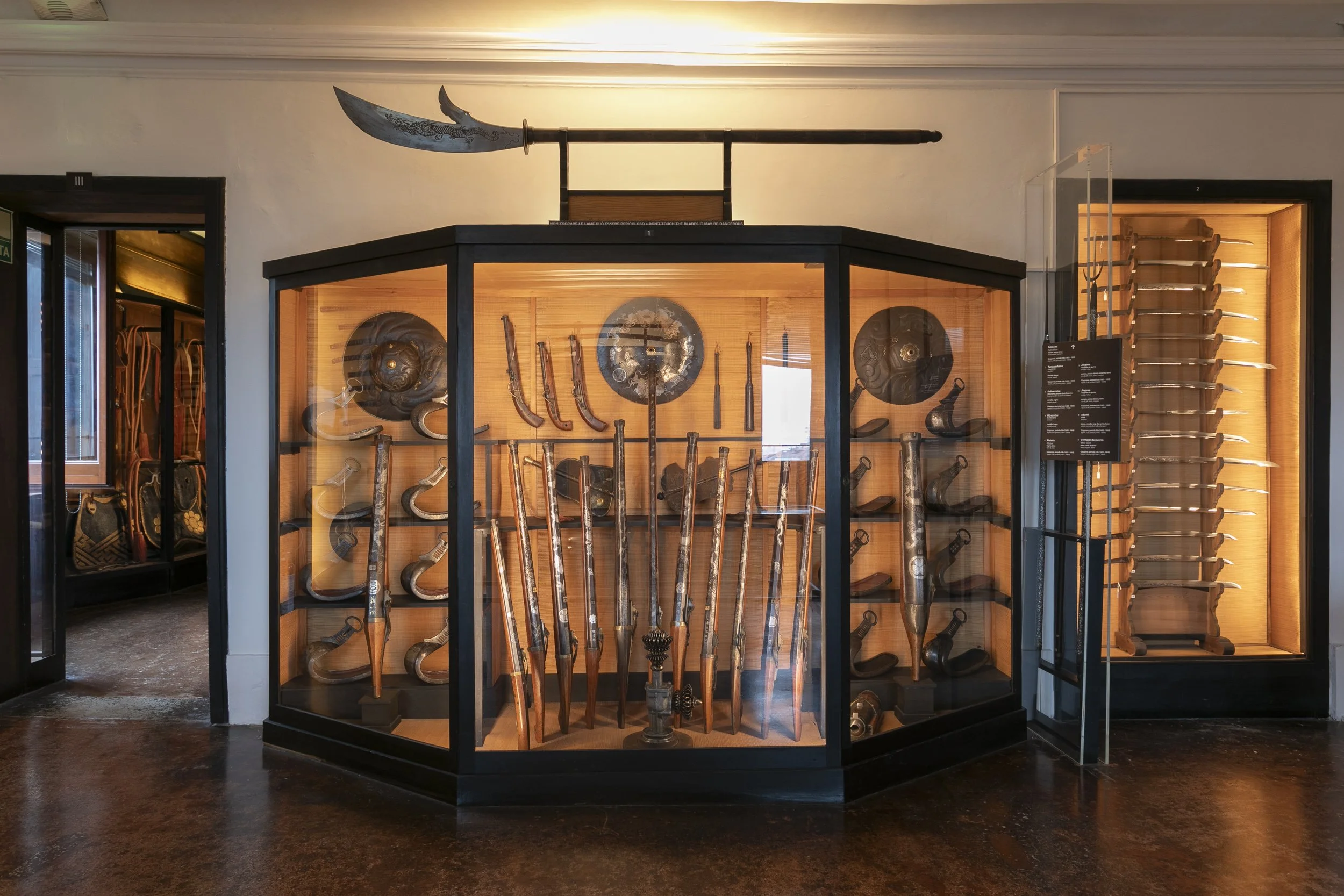
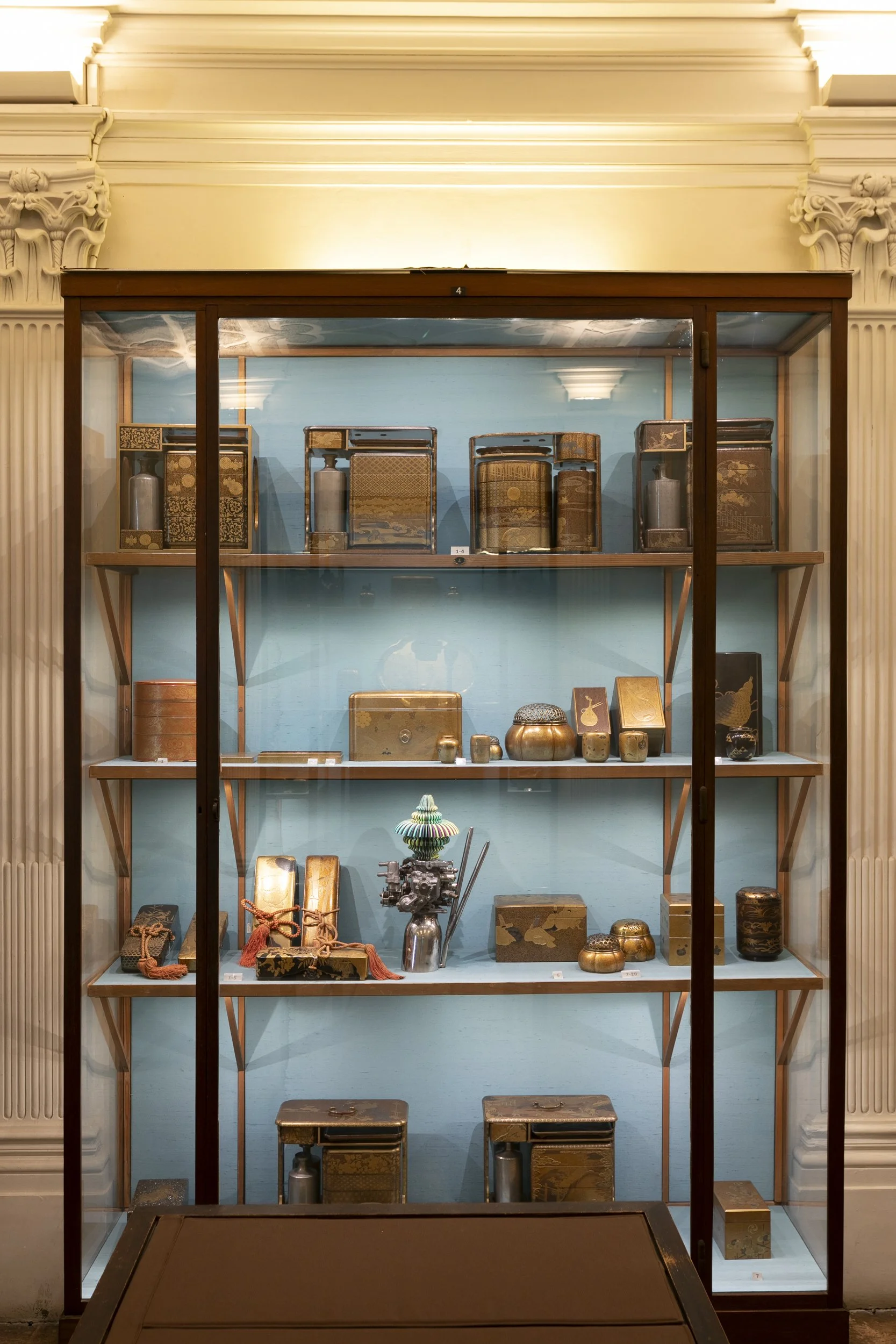
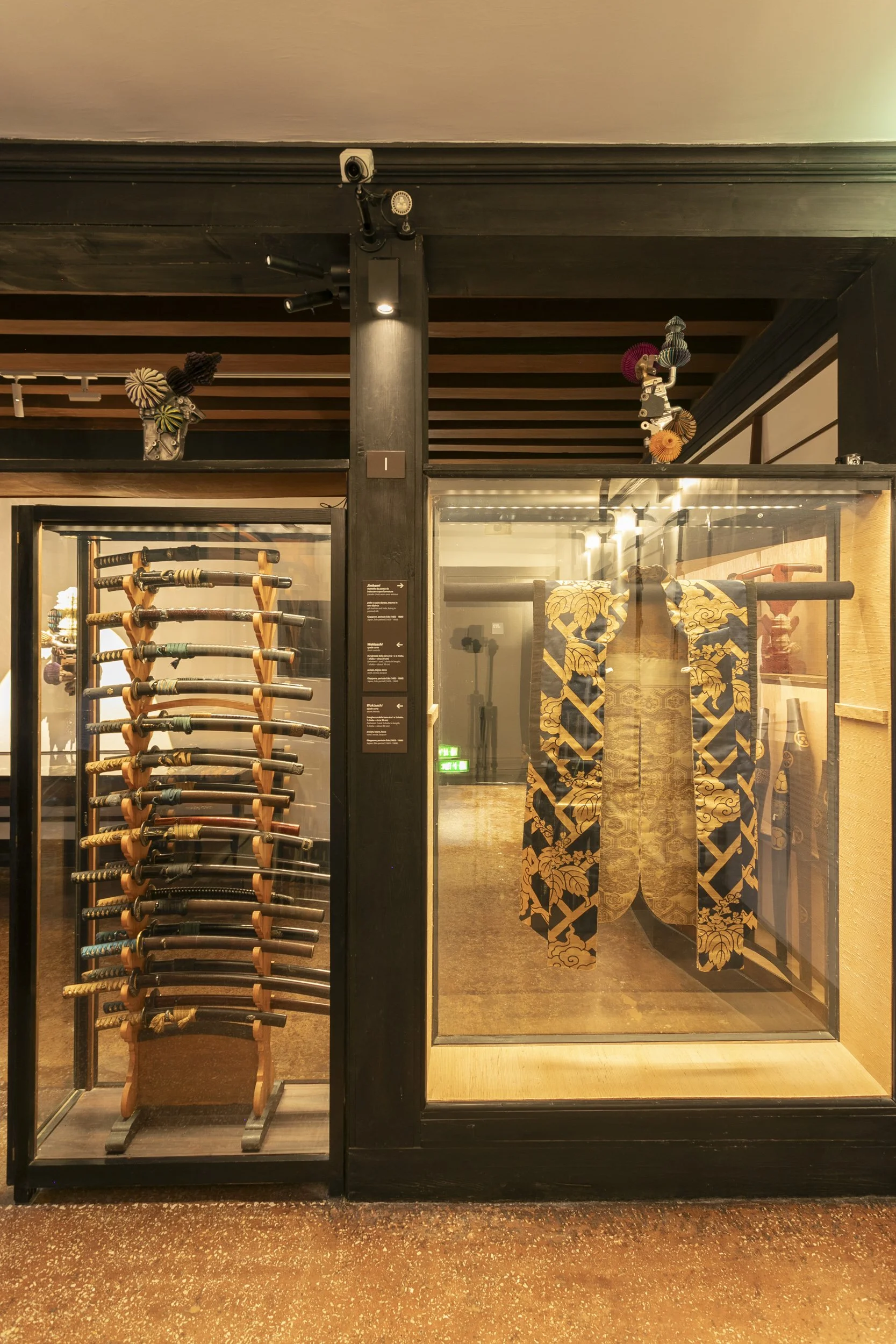
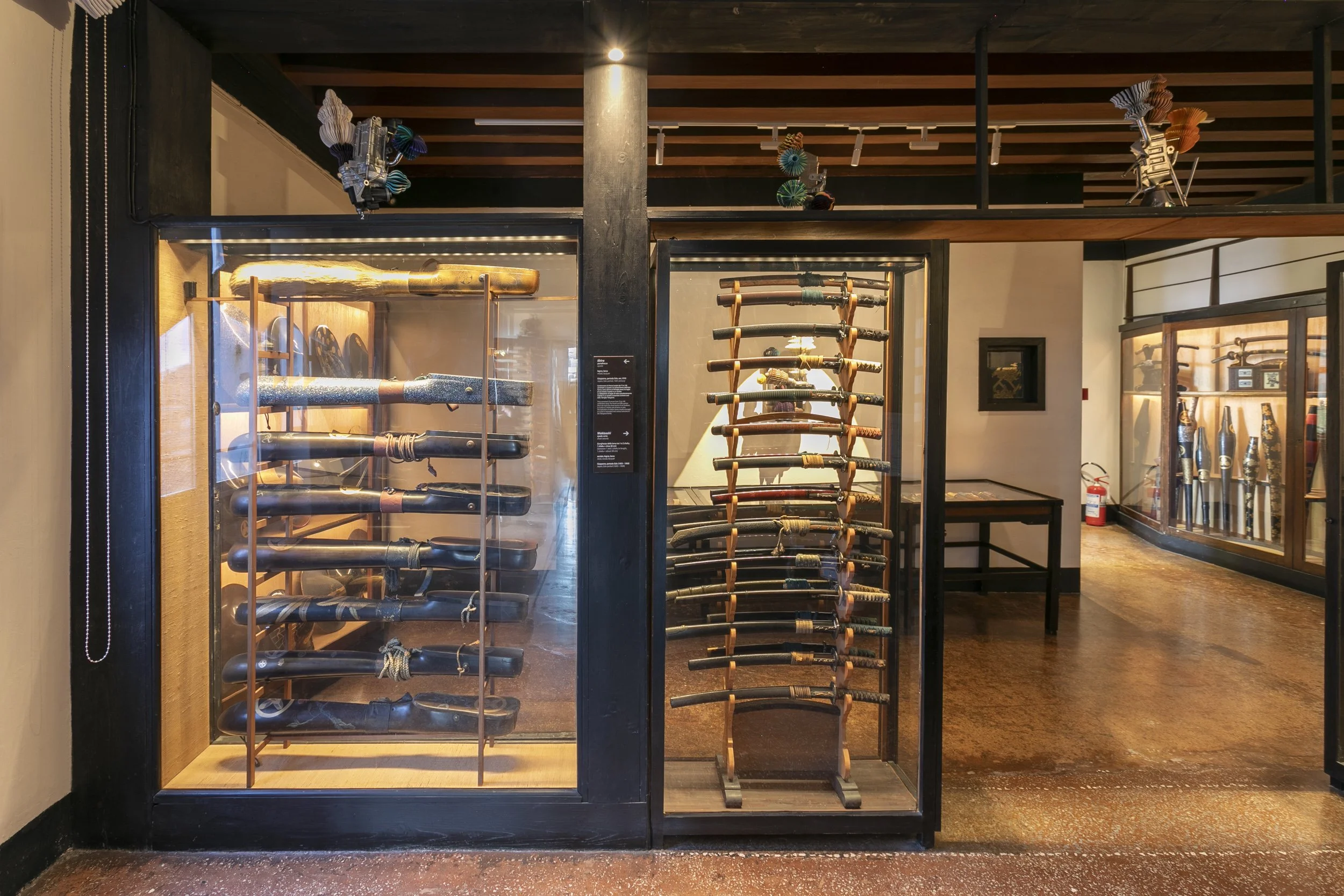
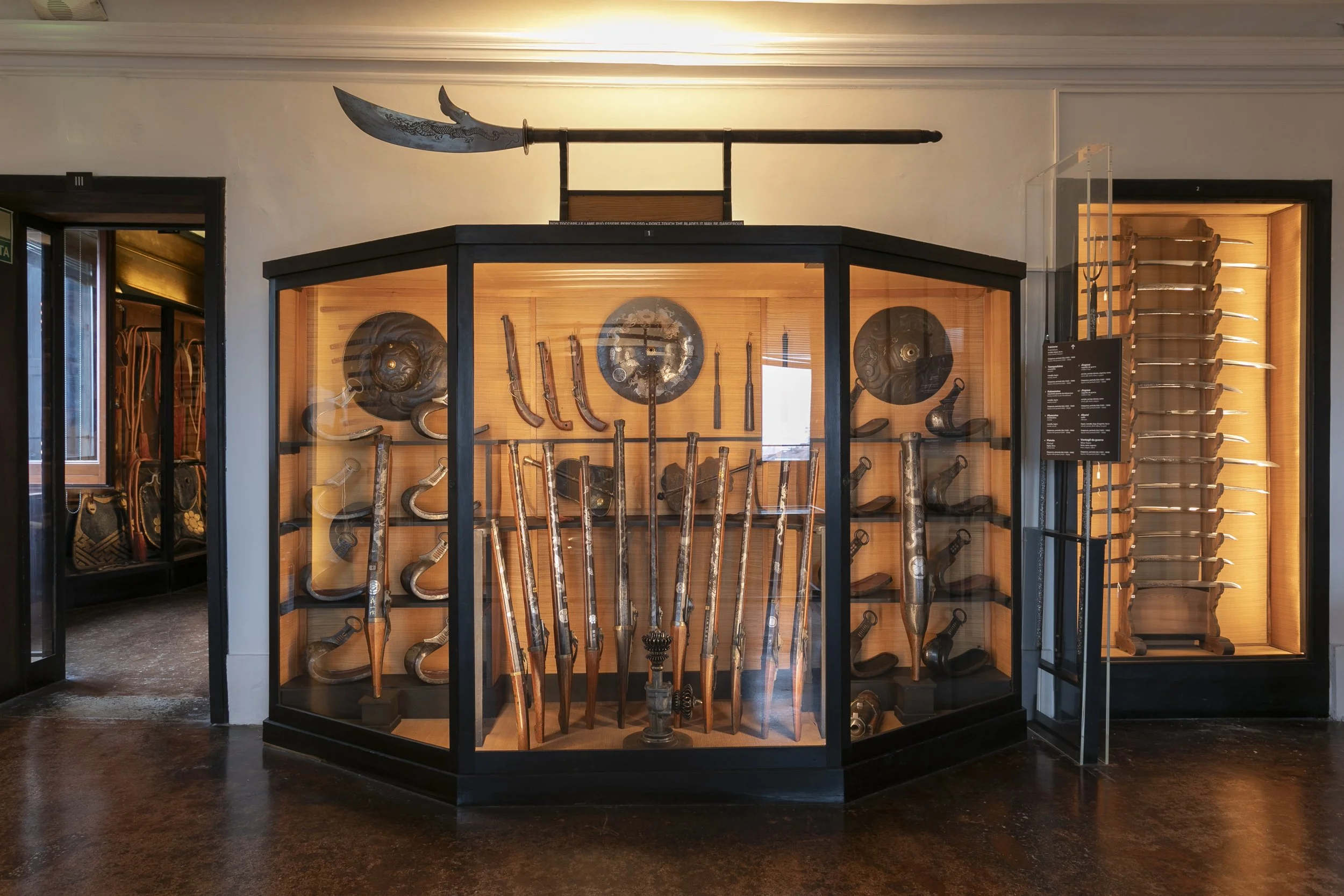
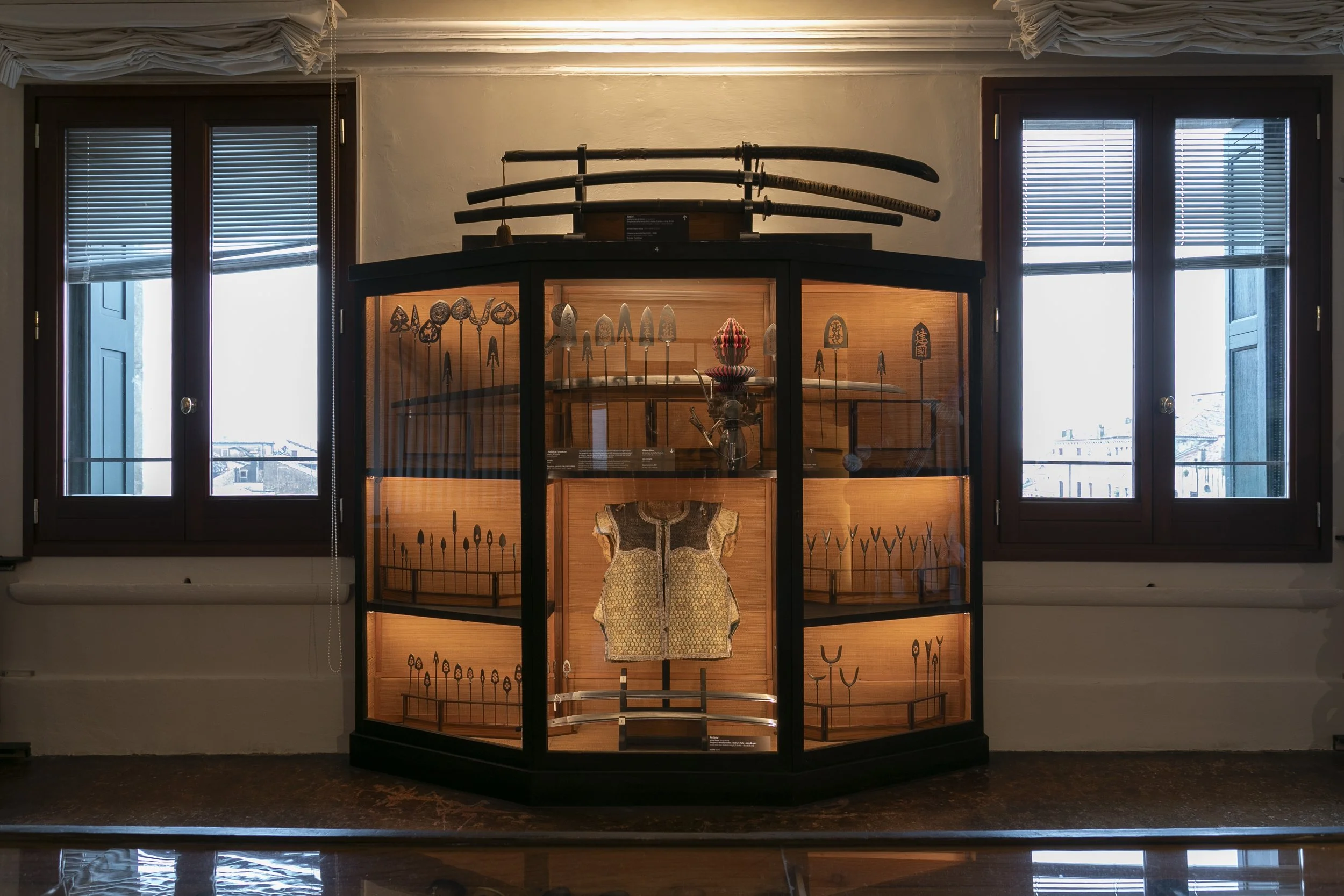
Within the setting of the Museum of Oriental Art at Ca’ Pesaro, a building that embodies Venice’s history and openness to cultural exchange and houses one of Europe’s most significant collections of Japanese Edo-period art, the project finds further resonance. Venice itself emerges as a natural curatorial device: a city built on water, a crossroads of exchanges between Europe and Asia, a place where cultures, materials, and techniques have met and transformed over centuries. Here, water is not merely a theme but a living presence, capable of reflecting and amplifying the meaning of the works.
The site-specific exhibition thus becomes a reflection on the relationship between contemporaneity and the historical stratification of the lagoon city, unfolding around the concept of craftsmanship understood as a ritual practice, in which gesture, time, and technique become tools of knowledge and transformation.
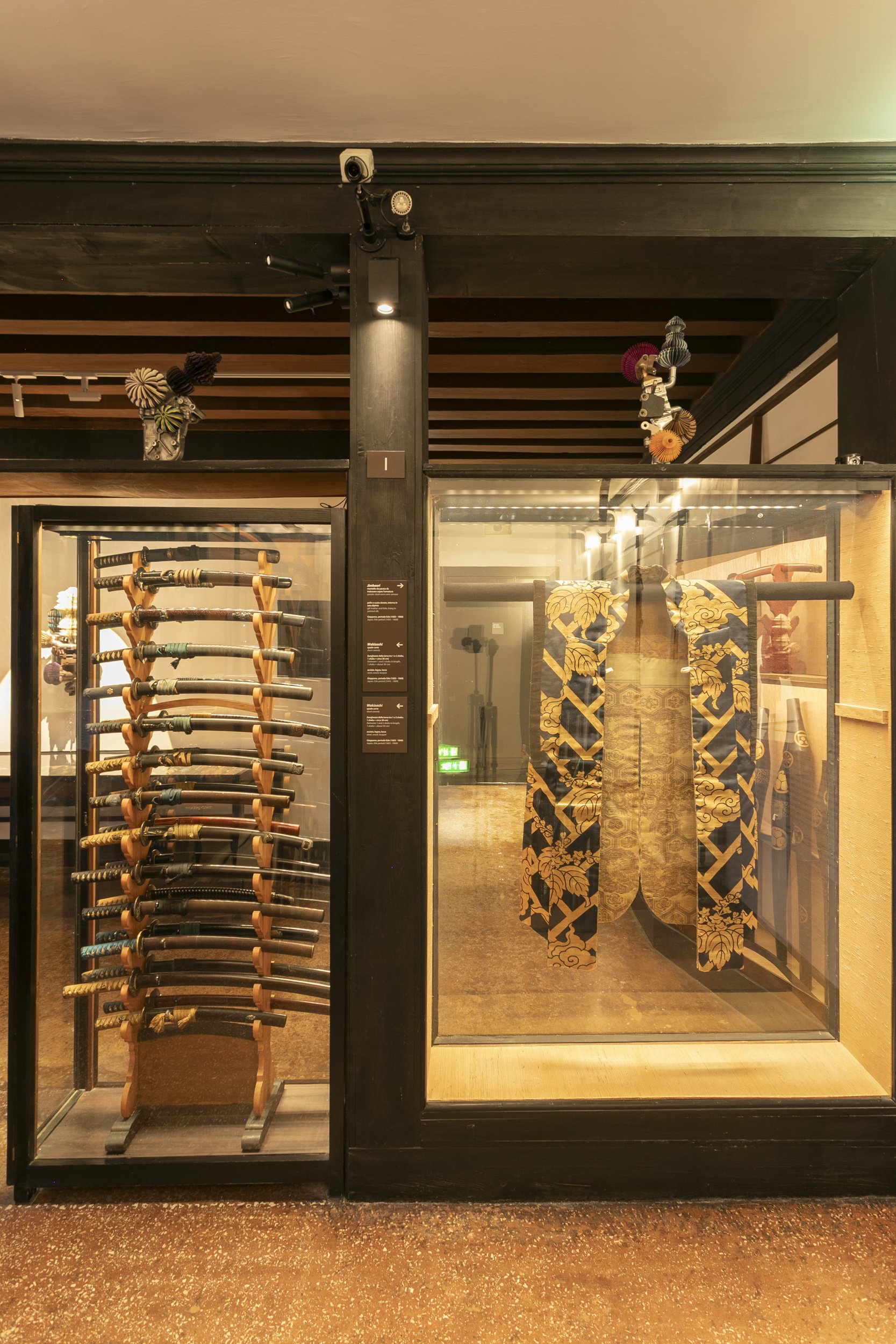
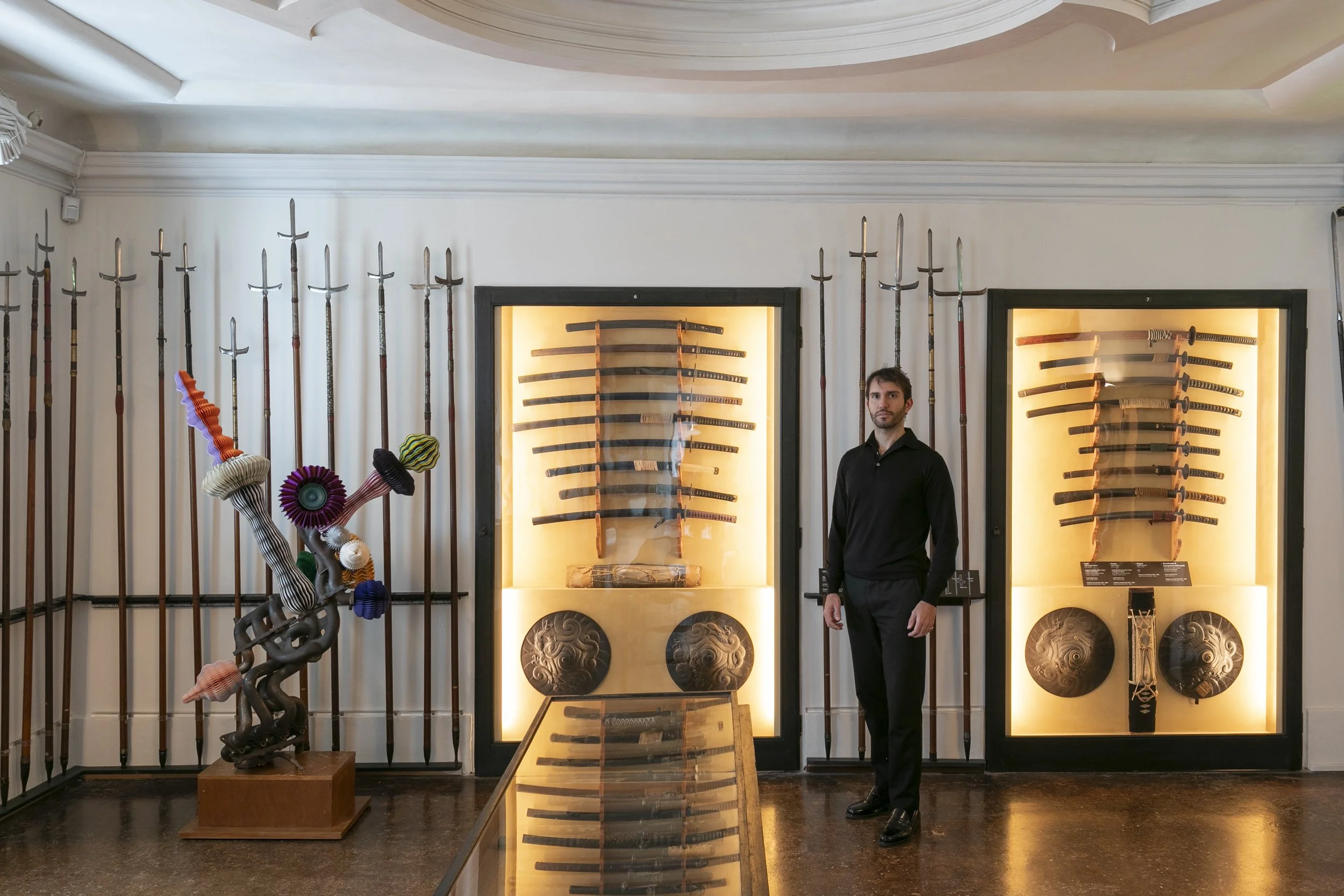
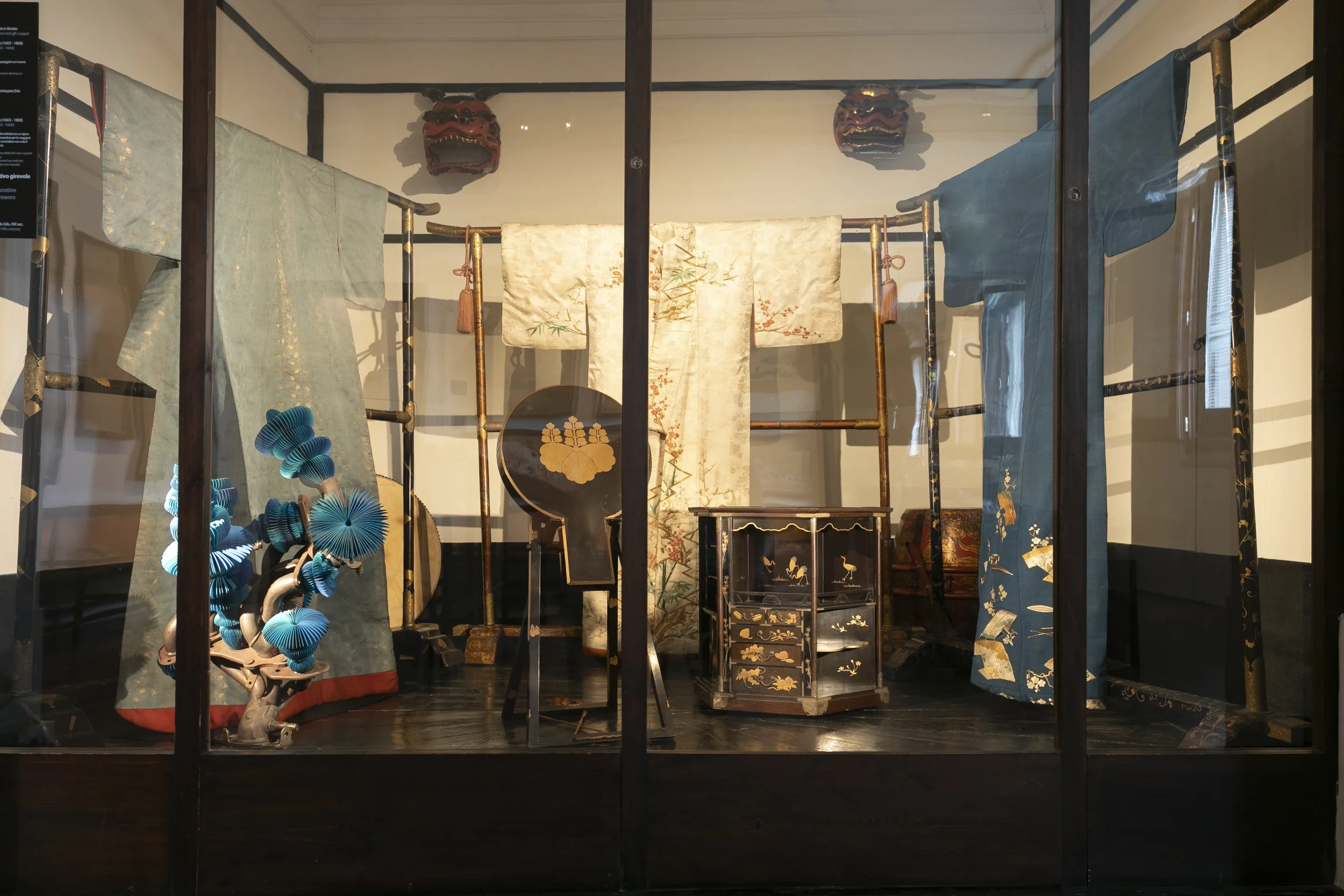
Miyazaki’s works establish a profound dialogue with both history and the space that hosts them, engaging directly with the artifacts of the museum’s permanent collection. What emerges is a dialogue between ancient and contemporary Japan, grounded in the value of master craftsmanship and the complexity of Japanese cultural tradition. Within this exchange, worked matter — shaped, traversed, transformed — becomes a shared language across different eras, revealing both continuities and shifts: between traditional knowledge and new expressive possibilities, between memory and the present, between form and process. The investigation thus restores to artistic practice a meditative dimension, in which making becomes experience and time settles into matter.
The exhibition ultimately extends beyond the museum spaces, activating a public art intervention at CREA Cantieri del Contemporaneo on the island of Giudecca, also curated by Pier Paolo Scelsi, Ilaria Cera, and Riccardo Freddo.
For this occasion, Keita Miyazaki creates a modular, site-specific sculpture conceived specifically for Venice and for the productive and symbolic context of the shipyards. The work is part of an ongoing research the artist has developed over the years around modularity, transformation, and the relationship between form and space. The same structure has previously been presented in different configurations in the Imperial Gardens of the Emperor of Japan, as well as at the Nymphaeum of the National Etruscan Museum of Villa Giulia, where Miyazaki was the first artist invited to create a site-specific sculptural intervention within that historic space.
In Venice, the modules are reimagined and reorganized into a new configuration, giving rise to a public installation that engages with the identity of the city and its artisanal tradition. Presented during the Biennale within the shipyards of Giudecca, the work stands as a tribute to craftsmanship understood as a form of art, emphasizing the value of making, building, and transforming as shared practices between artist and artisan.
